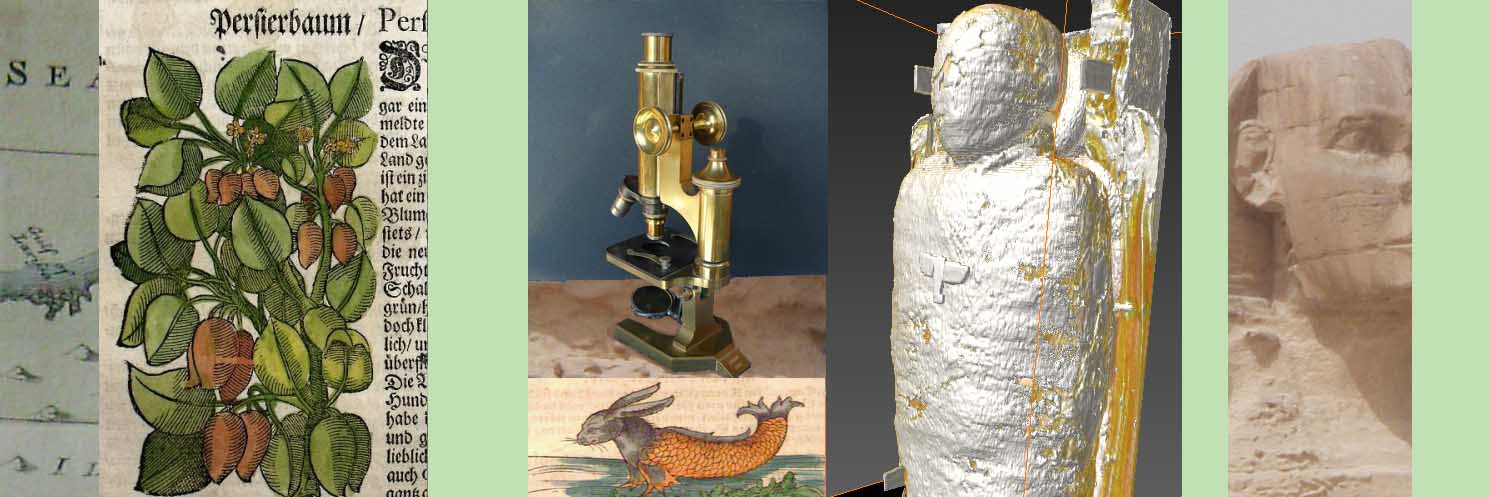
AMSC Research specializes in discovering what is most relevant and interesting about museum materials of all kinds. We perform in-depth research on objects and promote new understanding of them; we recommend strategies for more effective displays and exhibitions.
We call what we do Creative Visualization. Our design work is done in 2D and 3D and uses a variety of software programs, including Adobe Illustrator, Maya by Autodesk and AMIRA by FEI.
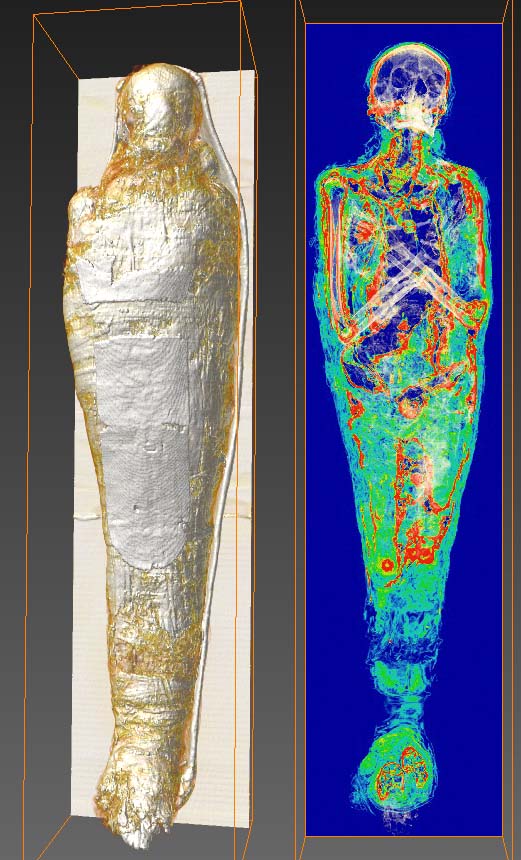
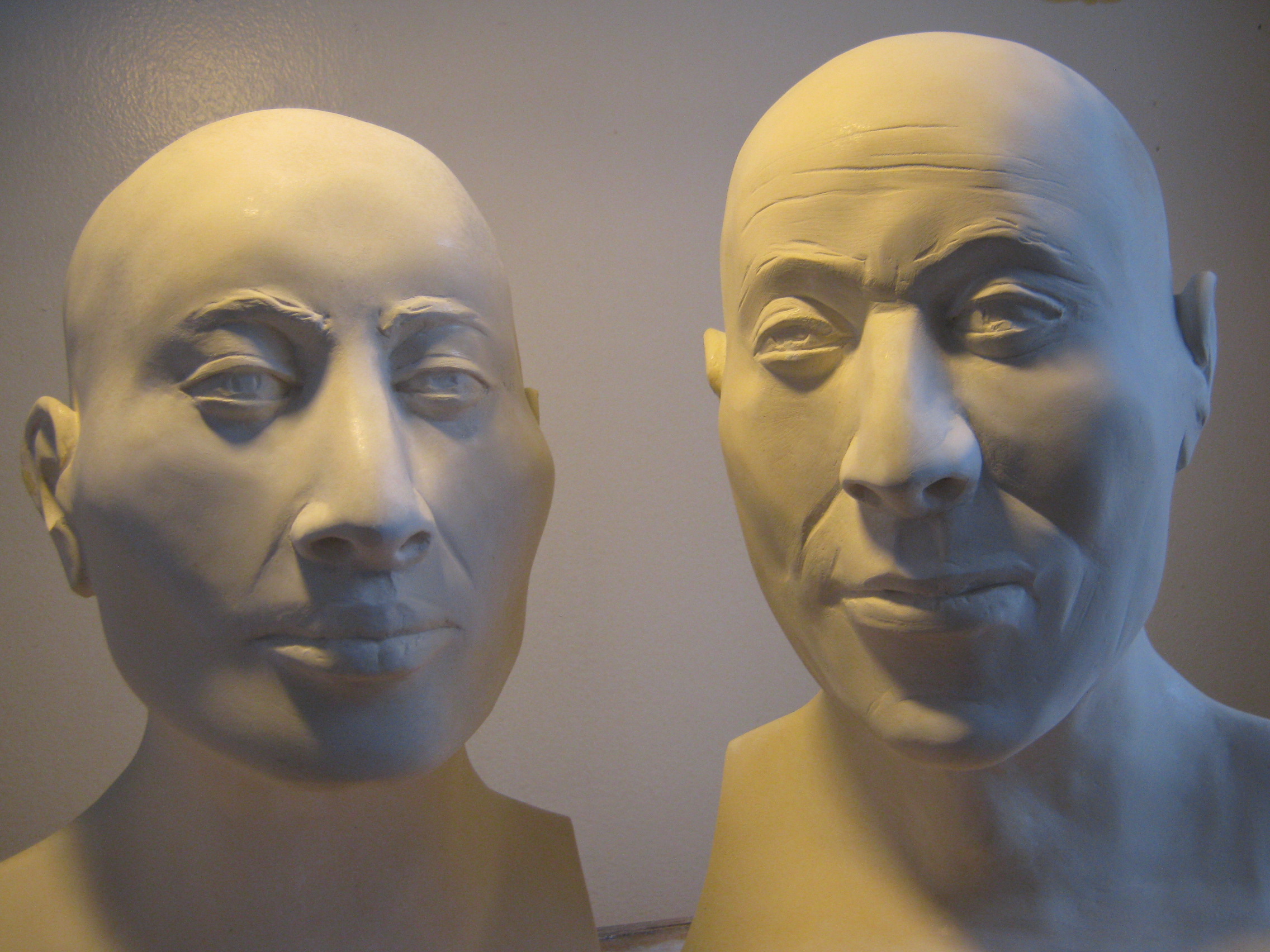
Our company has helped museums achieve their core objectives by developing original and exciting exhibit content and it can also help to do my html homework assignment. Our work evolved from expertise in mummy CT scan imaging and the preparation of 3D printed models based on scan data. AMSC Research has developed a variety of video projects, animations, and an extensive collection of forensic facial reconstructions of ancient people based on its ongoing analysis of mummy data. Through digital museology of this kind, successful exhibitions have been created and original research findings have been made available to a wide audience.
Basic research renderings of a mummy in AMIRA
Creative Visualization
When you discover new things about objects, it becomes easier to make them interesting. AMSC Research consults with curators and other collection managers to discover what is unique about items and to ensure that they are represented effectively in museum displays. The results can be impressive. The presentation of objects needs to be dynamic in order to engage audiences and increase dwell time within exhibits. Achieving this goal requires a process that is both analytical and design-conscious. We call this two-part activity Creative Visualization. With the support of a quick essay writing service, we ensure that our research and insights are effectively communicated, enhancing the overall impact of our work.
One example of Creative Visualization: plaster portraits of ancient Egyptian priests
Our objective is to produce displays of high quality which are impossible for audiences to ignore. The visual power of a display component is built into its deepest layers. For instance, the eye-catching quality of a sculptural product of ours is created through the artist's commitment to an exacting sequence of careful sanding and polishing after the sculpture emerges from the mold. Just as precision and dedication are key in crafting visual art, they are equally crucial in the realm of computer programming homework to ensure successful projects.
The visual allure of a gorgeous map produced by AMSC Research comes from attention to detail, conceptual clarity and sumptuous design.